Featured
Table of Contents
- – ADHD Screening: Beyond Symptom Checklists
- – Autism Range Evaluation: Acknowledging Diverse...
- – Understanding Handicap Testing: Identifying De...
- – Youngster Assessment: Developmental Factors To...
- – Grown-up Analysis: Determining Late-Diagnosed ...
- – Neurodivergent-Affirming Assessment: Shifting ...
- – Jennica Jenkins

Emotional analysis works as a critical gateway to comprehending cognitive distinctions, learning patterns, and neurodevelopmental conditions that form just how people navigate the globe. Whether looking for quality concerning ADHD symptoms, autism range attributes, or finding out impairments, thorough assessment supplies the diagnostic foundation required for proper interventions, holiday accommodations, and self-understanding. Bridges of the Mind uses neurodivergent-affirming analyses that prioritize understanding specific cognitive accounts over pathologizing differences.
ADHD Screening: Beyond Symptom Checklists
ADHD assessment has advanced significantly from straightforward behavioral checklists to thorough examinations that analyze executive performance, interest law, and neuropsychological patterns. Quality ADHD testing integrates numerous information sources including structured scientific meetings, standardized score ranges, continual efficiency tests, and frequently neuropsychological steps of working memory and processing rate. Bridges of the Mind comes close to ADHD analysis through this complex lens, recognizing that accurate diagnosis needs recognizing exactly how focus differences show up throughout different contexts and life domains.
The diagnostic procedure normally starts with an extensive developing history checking out symptom beginning, period, and practical effect. ADHD signs should exist prior to age twelve and cause substantial problems in multiple setups to fulfill analysis standards. However, lots of people-- specifically ladies and high-achieving grownups-- develop sophisticated offsetting techniques that mask underlying focus difficulties till needs surpass coping ability. Comprehensive assessment recognizes these masked discussions with performance-based screening that discloses exec operating challenges not evident in self-report alone.
Continuous performance examinations like the TOVA or Conners CPT gauge continual focus, impulse control, and reaction variability under regulated conditions. These digital evaluations offer objective information concerning focus patterns that complement subjective symptom records. When combined with actions of working memory, refining rate, and cognitive versatility, critics obtain insight into the specific exec operating profile underlying focus problems. Bridges of the Mind utilizes this multi-method method to separate ADHD from anxiousness, depression, or other conditions that generate attention-related signs and symptoms.
Autism Range Evaluation: Acknowledging Diverse Presentations
Autism assessment requires particular competence offered the spectrum nature of the condition and historic predispositions that caused analysis criteria heavily heavy toward male presentation patterns. Comprehensive autism screening analyzes social interaction differences, sensory processing patterns, repeated actions or restricted rate of interests, and the cognitive processing style commonly explained as detail-focused or pattern-oriented thinking. Bridges of the Mind provides evaluations educated by current understanding of autism as a neurological distinction as opposed to a disorder requiring remediation.
The gold-standard autism evaluation devices consist of the ADOS-2 (Autism Diagnostic Observation Set Up) and ADI-R (Autism Analysis Interview-Revised), however numerous medical professionals integrate additional actions attending to sensory processing, alexithymia, and camouflaging behaviors common in autistic people that discovered to mask their natural communication design. The analysis procedure explores developing background with specific attention to very early social communication patterns, sensory experiences, and the presence of extreme rate of interests or recurring behaviors.
Adult autism evaluation presents distinct obstacles as people frequently create advanced covering up strategies that cover analysis functions during short scientific experiences. Comprehensive evaluation for grownups consists of evaluation of autistic burnout, co-occurring conditions like anxiety or depression, and the accumulated impact of navigating a neurotypical world without ideal support or self-understanding. Bridges of the Mind identifies that late-identified autism usually reflects assessment gaps as opposed to late-onset symptoms, specifically for females, non-binary individuals, and individuals of shade traditionally omitted from autism research study and diagnosis.
Understanding Handicap Testing: Identifying Details Understanding Differences
Knowing disability assessment determines certain cognitive handling differences that disrupt academic skill purchase despite sufficient intelligence and educational possibility. Comprehensive examination checks out analysis, creating, maths, and occasionally dental language abilities while analyzing underlying cognitive processes including phonological handling, orthographic processing, functioning memory, and processing speed. Bridges of the Mind's learning impairment evaluations provide thorough cognitive accounts that notify educational interventions and holiday accommodation referrals.
The evaluation process generally includes intellectual analysis making use of steps like the WAIS or WISC alongside achievement screening taking a look at academic skill growth throughout domain names. Considerable inconsistencies in between cognitive ability and academic achievement suggest certain discovering specials needs impacting particular skill locations. However, modern diagnostic models significantly acknowledge that finding out handicaps can occur without ability-achievement disparities, specifically when offsetting strategies mask underlying processing problems.
Dyslexia analysis concentrates on phonological awareness, fast automatized identifying, orthographic processing, and reviewing fluency procedures. Dyscalculia evaluation examines number sense, mathematical reasoning, and calculation fluency along with visual-spatial processing capabilities. Dysgraphia assessment addresses fine motor skills, orthographic coding, and composed expression fluency. Bridges of the Mind supplies separated analysis procedures attending to each discovering disability type while acknowledging that individuals typically existing with co-occurring learning differences requiring extensive evaluation across numerous domains.
Youngster Assessment: Developmental Factors To Consider in Examination
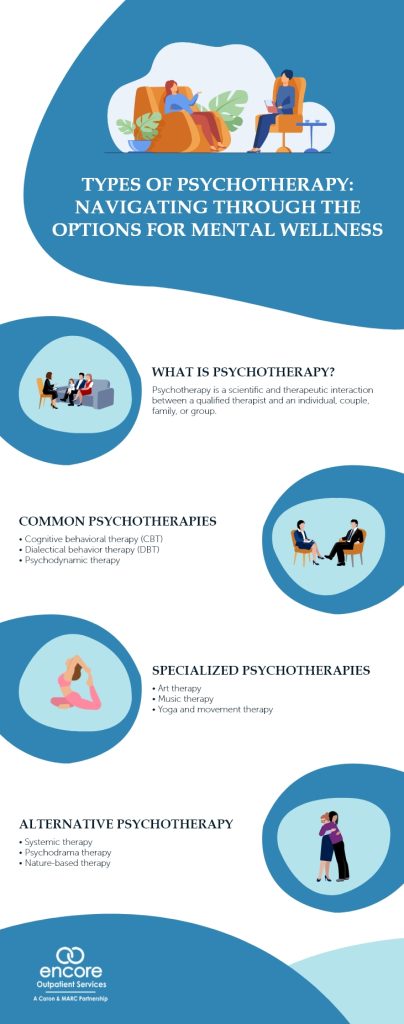
Psychological evaluation of children needs specific expertise in developmental psychology, child engagement techniques, and age-appropriate assessment steps. Youngster analyses have to make up developmental variability, the influence of family and educational atmospheres, and the child's ability to participate meaningfully in testing tasks. Bridges of the Mind comes close to kid analysis with developmentally sensitive methods that stabilize standardization requirements with the flexibility required for valid results with young or diverse students.
Play-based analysis methods confirm especially important for children that do not have the sustained attention or verbal capabilities required for traditional testing formats. Empirical evaluation during structured play tasks exposes cognitive capacities, social communication patterns, and psychological regulation skills that educate diagnostic impressions. Moms and dad and teacher score ranges supply important details about the child's working across setups, though evaluators should analyze these subjective reports within the more comprehensive assessment context.
School-based functional disability stands for a crucial consideration in kid analysis. Examinations examine not only whether diagnostic requirements are satisfied yet also just how cognitive differences effect educational development, peer relationships, and the youngster's developing sense of competence. Bridges of the Mind supplies assessment records that convert diagnostic findings right into useful recommendations for institution holiday accommodations, restorative treatments, and parenting strategies that sustain the child's developmental trajectory.
Grown-up Analysis: Determining Late-Diagnosed Neurodivergence
Grown-up psychological evaluation addresses the expanding acknowledgment that lots of neurodivergent individuals maturate without appropriate diagnosis or understanding of their cognitive distinctions. Adults looking for evaluation typically present after years of unusual fight with work, connections, or everyday functioning that caused examination right into feasible hidden problems. Bridges of the Mind focuses on adult assessment that contextualizes existing operating within developmental history and gathered life experiences.
The adult assessment procedure have to disentangle neurodevelopmental problems from obtained mental health and wellness conditions, medical issues, or typical cognitive variations. ADHD and autism evaluations for adults require mindful developing background event, commonly involving childhood years progress report, moms and dad meetings when feasible, and in-depth exploration of countervailing techniques created throughout the lifespan. Adults with undiagnosed learning impairment might offer with work performance troubles, evasion of reading or composing jobs, or stress and anxiety around scholastic situations that masks underlying handling distinctions.
Specialist and personal disability documents comes to be particularly crucial for grownups looking for work environment accommodations under the Americans with Disabilities Act or academic accommodations in greater education and learning setups. Comprehensive analysis reports provide the thorough diagnostic reasoning and useful influence documentation essential for protecting suitable assistances. Bridges of the Mind comprehends the useful effects of adult analysis and frameworks analysis reports to attend to accommodation and treatment planning together with diagnostic clarification.
Neurodivergent-Affirming Assessment: Shifting the Paradigm
Neurodivergent-affirming evaluation represents a fundamental shift from deficit-focused assessment towards recognizing cognitive distinctions as natural variations in human neurology. This technique acknowledges that ADHD, autism, and learning impairments involve both obstacles and staminas, with difficulties commonly reflecting inadequate ecological fit rather than inherent pathology. Bridges of the Mind embraces this affirming viewpoint while supplying detailed diagnostic assessment that opens up doors to support solutions and self-understanding.
The neurodiversity paradigm reframes conditions generally viewed as disorders as neurological distinctions with linked traits instead of signs and symptoms requiring elimination. Verifying assessment explores exactly how individuals experience their neurocognitive differences, what sustains improve operating, and how to improve existing strengths while attending to authentic difficulties. This strengths-based technique verifies specifically important for people who internalized embarassment regarding their differences before recognizing their neurological basis.
Jennica Jenkins
Excellent center! We refer patients who would like to be seen in Sacramento to bridges of the Mind they are always very happy with the services they receive there.
Language options within evaluation records mirror this verifying strategy-- defining autistic attributes as opposed to autism signs and symptoms, taking a look at exec functioning distinctions as opposed to deficiencies, and acknowledging the legitimacy of neurodivergent experiences. Bridges of the Mind stabilizes the clinical design language in some cases required for insurance policy coverage or solution eligibility with person-first or identity-first language showing individual preferences and contemporary understanding of neurodiversity as useful human variation requiring accommodation as opposed to removal.

Table of Contents
- – ADHD Screening: Beyond Symptom Checklists
- – Autism Range Evaluation: Acknowledging Diverse...
- – Understanding Handicap Testing: Identifying De...
- – Youngster Assessment: Developmental Factors To...
- – Grown-up Analysis: Determining Late-Diagnosed ...
- – Neurodivergent-Affirming Assessment: Shifting ...
- – Jennica Jenkins
Latest Posts
Healing from Compulsive Exercise
Supportive Connection for PTSD therapy
One-on-One Sessions in Ashburn, VA: What to Expect
More
Latest Posts
Healing from Compulsive Exercise
Supportive Connection for PTSD therapy
One-on-One Sessions in Ashburn, VA: What to Expect